
Township Tips and Guides: From a Small Town to a Thriving City
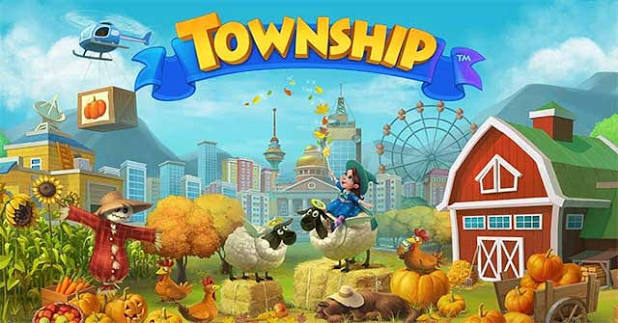
Township is a popular town-building and farming simulation game that combines agriculture, production, trading, and city development. Players begin with a small settlement and gradually transform it into a thriving town by growing crops, operating factories, fulfilling orders, expanding residential areas, and unlocking new facilities. As the town develops, additional activities such as the zoo, regatta competitions, and special events provide more ways to earn rewards and customize the experience.
Although Township is easy to understand at first, managing its different systems becomes increasingly challenging as the town grows. Crops take time to mature, factories require several production steps, and orders often demand goods that are not immediately available. Coins, cash, building materials, and storage capacity also become important resources that need to be managed carefully.
This guide covers Township tips and strategies in four main stages: establishing your first farm and town, improving production and earning coins, expanding your city and unlocking new features, and developing an efficient long-term strategy. Whether you are a new player or returning after a break, these tips can help you make better decisions, avoid common mistakes, and build a town that continues to grow.
1. Build a Strong Foundation for Your Town
1.1 Understand the basic gameplay and prioritize early development

When you first start Township, the main objective is to develop a small settlement into a larger town. You will grow crops, process them in factories, complete orders, construct buildings, and gradually unlock new activities. Each system supports another: farms provide raw materials, factories turn those materials into useful products, and orders help generate coins and experience points.
One of the most important beginner tips is to avoid spending resources without a clear purpose. Coins are needed for buildings, factories, and other improvements, while experience points help you level up and unlock more content. Instead of buying every available decoration or expanding production too quickly, focus on the buildings and activities that help your town operate more efficiently.
What should you prioritize first?
- Plant basic crops regularly so you have ingredients available for production.
- Build and use factories as they become available.
- Complete manageable helicopter orders to earn coins and experience.
- Send trains whenever possible to collect important construction materials.
- Build residential houses and community buildings to support population growth.
- Keep your barn organized so essential goods are not constantly blocked by limited storage.
The goal during the early stages is to establish a stable production cycle. Once crops, factories, orders, and trains are working together, your town will become much easier to manage.
1.2 Manage coins, Township Cash, and experience points
Township has several important resources, and understanding their roles can prevent costly mistakes. Coins are the main currency used for many buildings and purchases. Township Cash, often called T-cash, is a premium currency that is more difficult to obtain and can be used for certain special purchases or to speed up activities. Experience points, meanwhile, contribute to leveling up and unlocking new features.
For beginners, saving Township Cash is generally a sensible strategy. It can be tempting to spend it immediately to finish construction, speed up production, or purchase additional items. However, some of these actions can be completed simply by waiting. Since T-cash is more limited than ordinary coins, use it when the benefit is genuinely worthwhile rather than treating it as a shortcut for every delay.
Another useful habit is to distinguish between earning coins and gaining experience. Some orders may offer attractive experience rewards but require goods that take a long time to produce. Others may be easier to complete and provide a better return for your available resources. Consider both the reward and the cost of fulfilling each request.
2. Improve Farming, Production, and Daily Income
2.3 Plan crop production instead of planting randomly

Farming is the foundation of Township's production system. Crops such as wheat, corn, carrots, and sugarcane are used to produce goods in different factories. Some crops grow quickly, while others take longer, so planting decisions should reflect how frequently you can return to the game.
Wheat is especially convenient because it grows quickly and is used in basic production chains. Longer-growing crops should be planted when you know you will be away from the game for a while. For example, if you expect to be offline overnight, using fields for crops with longer growing times can make better use of that period than planting something that will be ready shortly after you leave.
Match crop timing with your schedule
A practical approach is to divide your farming activities into three categories:
- Short sessions: Plant and harvest fast-growing crops when you expect to check the game frequently.
- Long breaks: Choose crops with longer growing times before leaving the game.
- Production preparation: Keep a reserve of crops that are frequently needed by your factories.
Do not plant every field with the same crop simply because it is currently convenient. Factories may require different ingredients, and having a balanced supply can prevent production from stopping because one particular crop is unavailable.
As your town develops, review which crops are used most often. Your farming strategy should change as new factories and products become available. A crop that was less important at the beginning may become essential later when you unlock more complex production chains.
2.4 Keep factories working and organize production chains

Factories turn harvested crops and other materials into products that can be used to fulfill orders. For example, basic agricultural ingredients can become food products through different production buildings. As you unlock more factories, the number of goods you need to manage increases, making production planning more important.
A common mistake is waiting until an order appears before starting production. Some goods require several ingredients or have longer production times. If you only begin making them when a customer requests them, you may find yourself waiting unnecessarily. Instead, identify frequently requested products and keep a small reserve whenever your barn has enough space.
Build a simple production routine
Before leaving the game, check which factories are idle and start producing items that you expect to need later. When you return, collect finished goods, refill production slots, and review upcoming orders. This creates a continuous cycle rather than forcing you to start from zero every time you log in.
You should also avoid producing too many of the same items. Factories can fill your barn with goods that are not immediately useful, leaving insufficient space for crops, animal products, and construction materials. Keep production balanced and adjust it according to your current objectives.
Prioritize factories that support multiple activities
Some factories become especially valuable because their products are used in several types of orders. When deciding what to produce, consider whether an item is needed for helicopter requests, train-related activities, plane orders, or other town objectives. Products with multiple uses deserve more attention than goods that rarely contribute to your current progress.
2.5 Earn coins efficiently through orders and trading

Completing orders is one of the main ways to earn coins and experience. The helicopter brings requests from townspeople, while trains and the airport provide other trading opportunities. Each system has a different role, so learning when to prioritize each one can make your progress more consistent.
Helicopter orders are convenient because you can review requests and decide which ones are worth completing. If an order requires several difficult products for a relatively small reward, you do not have to treat it as an immediate priority. You can focus on requests that match the goods already available in your barn or can be produced quickly.
How to evaluate an order
Before sending goods, consider:
- How many products are required?
- Do you already have the requested goods?
- How long would it take to produce missing items?
- Is the coin and experience reward worth the effort?
- Would fulfilling the request use materials needed for another objective?
The airport is another important part of the trading system. According to Playrix's support information, the plane must be loaded with requested goods within a limited time. This makes preparation especially important: keeping a selection of common products in storage can help you complete more of its requests before the deadline.
Township Help Center
The key is to avoid treating every order as equally urgent. Prioritize the requests that support your current goals, and do not sacrifice essential materials simply to complete an order quickly.
3. Expand Your Town and Unlock More Activities
3.6 Use trains to collect construction materials

Trains are one of the most important systems for long-term development. They transport goods away from your town and return with supplies, including materials needed for construction and other upgrades. Unlike some activities that mainly generate coins, trains help you obtain resources that can be difficult to collect through ordinary production.
A useful habit is to send every available train as soon as you can fill its carriages. You do not always need to wait until you have every possible product if doing so would delay the train for a long time. However, filling more of the requested goods can help you make better use of each trip. Check the train station regularly and plan production around the items it requests.
Make train deliveries part of your daily routine
Train deliveries are especially valuable when you are preparing to construct community buildings or expand your town. These projects require specific materials, and waiting until you are ready to build before collecting them can slow your progress. Sending trains consistently allows you to accumulate supplies gradually.
You can also improve train performance through the Academy of Industry, which unlocks at level 22. Its upgrades can improve factories, trains, and islands, making it an important long-term feature.
Township Help Center+1
Some practical tips include:
- Keep factories producing goods commonly requested by trains.
- Check the station before starting a long production session.
- Avoid using all your available goods on low-priority helicopter orders.
- Collect returning trains promptly so the next delivery can begin.
- Focus on one major construction project at a time to manage material requirements.
The more consistently you use the railway system, the easier it becomes to maintain a supply of construction materials.
3.7 Expand residential areas and manage population growth

Building a larger town requires more than factories and fields. Residential houses help increase the number of residents, while community buildings raise the population capacity that determines how many residents your town can support. This relationship is important because unlocking additional fields and other development opportunities can depend on population.
When you reach a point where you cannot add more residents, check whether your town needs additional community buildings or housing. Constructing houses without sufficient population capacity may not solve the problem, so it is important to understand the difference between the two building types. Playrix's support guide explains that community buildings increase population capacity, while residential buildings help bring residents into the town.
Township Help Center
Expand in a balanced way
Avoid building every available structure immediately. Construction takes time and requires materials, so expanding too quickly can leave your town with unfinished projects and limited resources. Instead, look at the buildings that are necessary for your next level of development and prioritize those first.
You should also think about the physical layout of your town. Place factories in an industrial area, group residential buildings into neighborhoods, and leave enough space for roads and decorations. Even if your main objective is progression rather than design, a well-organized layout makes the town easier to navigate and more enjoyable to customize.
3.8 Unlock the port, islands, zoo, and other features

As your town reaches higher levels, Township introduces additional systems that expand the gameplay beyond farming and factory production. The port becomes available at level 29, allowing you to send ships to islands and receive goods such as fruit, vegetables, and seafood. These products can support production chains and help you fulfill orders that would otherwise be difficult to complete.
Township Help Center+1
The zoo is another feature that provides a separate development objective. Players can collect animals, build enclosures, and complete zoo orders. It adds another reason to gather resources and manage storage carefully. According to Playrix's official game information, the zoo becomes available at level 24.
Google Play
Do not unlock everything without a plan
New features can be exciting, but each one introduces additional tasks and resource requirements. If you try to develop the farm, factories, port, zoo, and town buildings simultaneously, you may spread your resources too thinly. Choose one or two priorities and make steady progress before investing heavily in the next system.
For example, you could focus on improving train deliveries while collecting materials for a community building. Once that project is complete, you might shift attention to the port and island products. This approach keeps your development organized and makes it easier to see the benefits of each investment.
4. Master Advanced Strategies for Long-Term Progress
3.9 Manage barn storage and construction materials efficiently

The barn is one of the most important buildings in Township because it stores the products and materials you collect. As you unlock more crops, factories, and trading systems, the number of different items you need to keep increases. Eventually, limited storage can become a major obstacle, especially when you need space for new goods or construction supplies.
A full barn can interrupt your routine. You may be unable to collect finished factory products, harvest certain resources, or receive new materials. The solution is not simply to sell everything you own. Instead, review your inventory regularly and decide which items are essential for your current goals.
Organize storage around your priorities
Try dividing your stored goods into practical categories:
- Basic crops: Keep enough ingredients for regular factory production.
- Processed goods: Save commonly requested products for orders and trading.
- Animal products: Maintain a reasonable supply for recipes and factory requirements.
- Construction materials: Reserve these for buildings and expansion projects.
- Special items: Keep materials that are difficult to replace or needed for specific objectives.
Barn upgrades require their own materials, so remember to reserve the items needed for increasing storage capacity. Playrix's support center provides guidance on barn capacity, construction materials, and land expansions.
Playrix Technical Support and Help Center+1
If you have excess goods that are easy to produce again, consider selling or using them to create space. Avoid holding large quantities of items that have no immediate purpose, particularly when your barn is close to its limit.
4.10 Join a co-op, participate in events, and plan your progression

Township is not only a single-player town-building experience. Players can join co-ops, interact with other members, and participate in regattas and limited-time events. These activities provide additional objectives and opportunities to earn rewards beyond the normal farming and production cycle.
Apps on Google Play+1
Joining an active co-op can be helpful if you enjoy playing with others. Members may be able to exchange assistance, share advice, and work toward common competition goals. Before joining, consider how active the group is and whether its expectations match the amount of time you want to spend playing. A highly competitive team may not be suitable if you prefer a relaxed experience.
Events also introduce temporary challenges that can offer rewards, decorations, or other useful items. However, not every event needs to become your main priority. Continue managing your town while participating in activities that fit your schedule and current resources.
Create a progression plan that fits your playstyle
Long-term success in Township comes from balancing several systems rather than maximizing only one. A town with many factories may still struggle if it lacks storage, while a large residential area may not be useful if production cannot keep up with orders. The best strategy is to develop each part of your town at a manageable pace.
A practical long-term routine might look like this:
- Check crops and collect finished factory goods.
- Start new production using the ingredients already available.
- Review helicopter requests and complete worthwhile orders.
- Send trains and collect any returning deliveries.
- Check construction projects and reserve the required materials.
- Visit the port, zoo, or other unlocked features when useful.
- Participate in co-op activities or events if you have time.
- Clear unnecessary inventory and prepare production for your next session.
You can adjust this routine depending on your level and goals. Beginners may need to focus on crops and basic factories, while experienced players may spend more time managing ships, zoo orders, storage upgrades, and competitions.
Most importantly, do not feel pressured to complete every activity as quickly as possible. Township is designed around gradual development. Consistent progress and thoughtful resource management are usually more sustainable than spending premium currency to rush every task.