
How to Play Path of Exile 2 – A Beginner’s Guide to Building the Strongest Exile

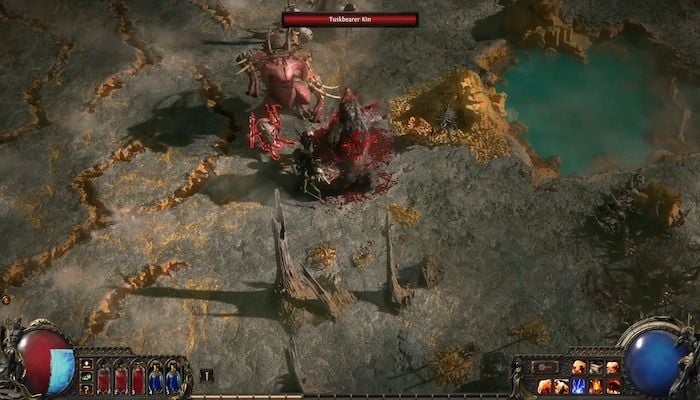
Action role-playing games have long captivated players who crave deep customization, complex progression systems, and challenging combat encounters. Path of Exile 2 takes this foundation to a whole new level by introducing a completely overhauled skill gem engine, refined combat mechanics, and a brand-new story campaign. Unlike traditional click-to-move titles that allow mindless button mashing, Path of Exile 2 emphasizes precise dodge rolling, weapon swapping, and strategic skill combinations that make every journey across Wraeclast a unique test of tactical survival.
Although the game offers rewarding progression, many beginners hit severe walls during early acts because they socket skill gems randomly or neglect character defensive layers. Knowing how to allocate passive skill points, manage resource flasks, and prepare for punishing boss encounters dramatically improves your efficiency. This guide explains how to play Path of Exile 2 step by step, covering everything from your initial character selection to advanced endgame mapping strategies.
Choosing Your Starting Class and Ascendancy Path
When you first begin your journey in Path of Exile 2, your primary decision revolves around selecting a character class that aligns with your preferred playstyle. The game features a wide roster of classes, ranging from strength-based juggernauts to dexterity-based rangers and intelligence-based spellcasters. Each class starts at a distinct location on the massive shared passive skill tree, dictating your early attribute access and gearing options.
Before finalizing your choice, take time to consider which Ascendancy sub-class you plan to unlock later in the campaign. Ascendancy classes grant specialized passive abilities that define your endgame build identity, such as elemental damage multiplication, minion mastery, or high dodge chance. Selecting a class with a clear Ascendancy vision prevents costly respec costs during later acts.
Essential Initial Steps
- Choose a class matching your preferred combat archetype.
- Identify early primary damage skills and attribute requirements.
- Plan a path on the passive skill tree toward essential node clusters.
- Locate weapon types that scale your starting abilities.
- Select defensive nodes early to survive high physical damage spikes.
Understanding Core Controls and Dodge Roll Mechanics
Navigating combat encounters in Path of Exile 2 requires a firm grasp of responsive movement controls and timing mechanics. The introduction of a dedicated dodge roll button gives every exile active invulnerability frames to escape deadly boss telegraphs and enemy swarms. Learning how to weave dodge rolls between attack animations ensures you maintain optimal battlefield positioning without taking lethal damage.
Beyond basic movement, mastering the dual-weapon swap feature dictates your offensive versatility. The game allows players to assign specific skill gems and passive point allocations to two distinct weapon sets. Spending time practicing automatic weapon swaps during skill casting lets you execute complex combination attacks effortlessly.
Important Combat Controls
- Active Dodge Roll Timing
- Primary Weapon Attack Bar
- Secondary Weapon Swap Keys
- Flask Hotkey Management
- Movement Skill Cooldowns
- Target Locking Overlays
Mastering Skill Gem Socketing and Support Synergies
Progressing through early zones requires understanding how skill gems and support gems interact within your equipment gear. In Path of Exile 2, skill gems socket directly into dedicated skill slots rather than individual armor pieces, streamlining gear upgrades while maintaining deep customization. Socketing compatible support gems alongside active skill gems modifies their behavior, adding extra projectiles, elemental damage conversions, or area of effect radius.
Transitioning from single skill attacks to fully supported skill combinations exponentially increases your damage output. Always ensure your primary damage skill links with support gems that amplify its base damage types, such as pairing physical melee strikes with flat physical damage and attack speed supports.
Recommended Gem Pairing Route
- Step 1: Equip a high base damage primary active skill gem.
- Step 2: Link a compatible support gem to boost raw attack power.
- Step 3: Add utility support gems to inflict elemental ailments or armor reduction.
Allocating Passive Skill Points and Defensive Layers
Every time your exile levels up or completes specific campaign quests, you earn passive skill points to invest in the sprawling skill tree. Assigning these points purely into offensive node clusters dilutes your survivability and leaves your character vulnerable to one-shot mechanics from elite monsters.
Early on, prioritize building robust defensive layers, including maximum life, energy shield, armor, and elemental resistances. Maintaining capped elemental resistances at key campaign milestones ensures incoming fire, cold, and lightning damage is reduced by three-quarters, allowing your character to survive intense boss phases.
Defensive Layer Priority
- Elemental Resistances: Cap fire, cold, and lightning resistances at maximum percentages.
- Maximum Life & Energy Shield: Expand total hit point pools to cushion incoming burst damage.
- Armor & Evasion: Scale physical damage reduction and attack dodge chance.
- Crowd Control Recovery: Invest in stun and freeze duration reduction nodes.
Managing Resource Flasks and Life Sustain
While passive defenses protect against incoming strikes, active resource management dictates your staying power during long engagements. Life flasks, mana flasks, and utility flasks provide instantaneous recovery and temporary defensive buffs when activated. Unlike basic health potions in standard role-playing games, flasks refill their charges as you defeat enemy monsters in combat.
Utilizing specialized utility flasks adds crucial temporary armor, movement speed, or evasion boosts to your loadout. Crafting or finding flasks with prefix and suffix modifiers, such as immunity to bleeding or shock, grants vital protection during dangerous map encounters.
Key Flask Utility Functions
- Life Flasks with instant recovery under low health conditions.
- Mana Flasks with continuous regeneration for heavy skill casting.
- Quicksilver Flasks for enhanced movement speed during positioning.
- Granite Flasks for temporary massive physical armor boosts.
Farming Gear Upgrades and Currency Items
Mid-game progression centers around crafting and socketing high-tier rare equipment using dropped orb currency items. Path of Exile 2 features a barter-based economy where crafting currencies like Orbs of Transmutation, Chaos Orbs, and Exalted Orbs double as trade currency between players.
Detecting valuable base item types early allows you to modify items using crafting bench recipes and currency orbs. Keep an eye out for rare gear pieces featuring high life rolls, elemental resistances, and increased movement speed on boots to maintain continuous character growth.
Gear Crafting Checklist
- Identify high base armor or evasion gear pieces.
- Use currency items to roll maximum life and resistance prefixes.
- Craft missing resistance stats using the hideout crafting bench.
- Upgrade weapon physical or elemental damage stats regularly.
- Filter out low-tier magic items using customized loot filters.
Progressing Through Act Bosses and Encounter Mechanics
Every campaign act culminates in multi-phase boss fights that test your build damage, defensive layers, and dodge roll execution. Rather than viewing boss wipes as failures, treat them as opportunities to analyze visual attack telegraphs and arena hazard mechanics. Small adjustments in movement timing often yield better results than over-leveling in starter zones.
Experimenting with active utility skills, such as deploying totem decoys or casting temporary protective barriers, can reveal surprisingly effective strategies. Decoy totems draw boss aggression away from your exile, granting safe windows to cast heavy channeled spells or execute high-damage melee flurries.
When Progress Slows
- Review Your Build: Check whether your elemental resistances, primary skill damage scaling, and flask setups remain balanced before attempting campaign act bosses.
Avoiding Common Beginner Mistakes
Many new players slow down their campaign progression by making simple gear and skill management errors. Spreading passive skill points across too many different damage types is the most common mistake, resulting in a character that deals subpar damage across all elements.
Another frequent error involves ignoring defensive equipment in favor of minor offensive increases. Swapping a high-life, high-resistance chest piece for an item that only grants a tiny attack speed bonus often leads to frequent deaths during high-density monster packs.
Mistakes to Avoid
- Spreading passive tree points across multiple unrelated weapon types.
- Neglecting elemental resistance caps during act transitions.
- Hoarding low-level crafting currencies without improving current gear.
- Ignoring active dodge roll invulnerability frames during boss fights.
- Running into high-level zones with unlinked main damage skills.
Advanced Skill Combos and Weapon Swap Execution
After mastering the basics of single-skill combat, players can begin optimizing multi-skill synergies and weapon swap rotations. Combining crowd control skills like ice walls or stun slams with high-damage single-target strikes allows your exile to clear dense packs safely while bursting down elite rares.
Experienced exiles also monitor skill cast times and animation cancels carefully. Utilizing quick movement skills or dodge rolls immediately after casting heavy spells eliminates recovery frames, creating smooth combat flow and reducing overall damage taken.
Efficiency Checklist
- Maintain balanced offensive and defensive passive nodes.
- Prioritize maximum resistance caps across all gear slots.
- Keep skill combinations fluid using automated weapon swaps.
- Review boss attack animations to perfect dodge roll timing.
- Adapt skill gem setups when facing specialized damage types.
Endgame Mapping Progression and Boss Encounters
Reaching the endgame Atlas map system unlocks the ultimate test of character optimization and wealth generation. Endgame progression shifts from linear campaign quests to running randomized map items with escalating difficulty modifiers, monster densities, and rare boss encounters.
Endgame exiles spend time fine-tuning gear suffix rolls, optimizing Ascendancy synergies, and shaping the Atlas passive tree to target specific mechanics like Breach, Delve, or Incursion. Building a robust character capable of clearing high-tier corrupted maps ensures steady progress toward defeating Wraeclast's ultimate boss entities.
Endgame Completion Steps
- Unlock the Atlas map device and complete starter tier maps.
- Allocate Atlas passive points to specialize in high-yield mechanics.
- Cap all elemental and chaos resistances while scaling primary damage.
- Craft high-tier end-game weapons featuring top-tier damage prefixes.
- Defeat pinnacle Atlas bosses to secure legendary endgame rewards.
Path of Exile 2 provides a deep, endlessly rewarding action-RPG sandbox for players willing to master its complex systems. By understanding how to select a strong starting class, link skill gems effectively, prioritize defensive passive layers, and execute active dodge rolls during combat, you can transform a stranded exile into an unstoppable powerhouse. Stay patient, refine your build choices, and conquer every threat that stands in your path across Wraeclast