Toca Boca World and the Problem of Endless Collection: How a Creative Sandbox Became a Reward-Driven Routine
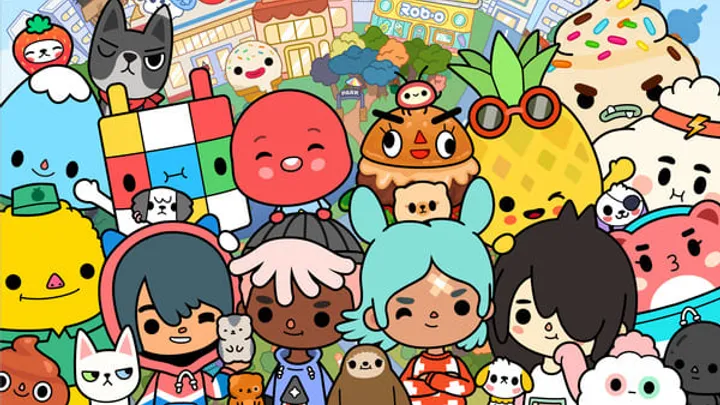
Toca Boca World is often described as a children’s creative sandbox, but one of its most significant design challenges is not violence, advertising, or screen time—it is the transformation of creativity into a collection routine. The issue appears gradually: players begin by inventing stories, decorating homes, and roleplaying, but over time many become focused on gathering furniture packs, unlocking gifts, organizing inventories, and keeping up with new content releases.
Introduction
This article examines the specific issue of collection fatigue in Toca Boca World. Rather than discussing the game broadly, it explores how the game’s reward structure can shift player behavior from imaginative play toward completionism. The analysis follows the player journey from early discovery to long-term maintenance, showing how inventory management, limited-time expectations, social comparison, and update cycles can gradually redefine the experience.
The Early Phase: Discovery Through Play
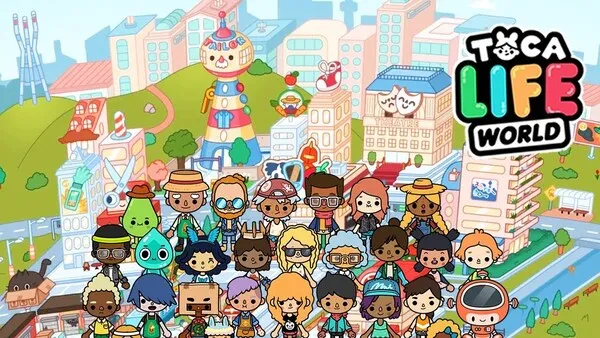
In the beginning, Toca Boca World feels remarkably open-ended. New players explore locations, interact with objects, and create their own narratives. A kitchen can become a restaurant, a school can become a secret laboratory, and a small apartment can turn into a detective headquarters. The game’s strength lies in its lack of rigid objectives.
During this phase, objects function primarily as storytelling tools. A couch is not valuable because it is rare; it is valuable because it helps create a scene. Players often spend long sessions experimenting with combinations of items and characters, discovering unexpected interactions and building imaginary worlds.
The design encourages creativity through freedom rather than competition. There are no leaderboards, no combat rankings, and no mandatory progression paths. For many children, this makes the game feel safe and expressive.
The First Shift: Collecting Becomes a Goal
The experience changes when players become aware of the game’s expanding catalog of furniture, decorations, clothing, pets, and location packs. Instead of asking, “What story can I tell?” they begin asking, “What items am I missing?”
This shift is subtle but important. The game introduces rewards through gifts, updates, and purchasable content. New items arrive regularly, creating a sense that the collection is never complete. Even players who originally focused on storytelling may start checking for updates and organizing inventories around newly acquired objects.
Common signs of the transition
- Regularly checking for new gifts or content drops.
- Reorganizing houses primarily to display newly acquired items.
- Feeling disappointed when unable to obtain a desired object.
- Spending more time managing possessions than creating stories.
The game itself does not force this behavior, but its content structure makes collecting increasingly attractive.
The Inventory Management Problem
As collections grow, players face a practical challenge: managing hundreds or even thousands of items. Toca Boca World was designed around playful interaction, yet large inventories introduce organizational tasks that resemble work more than play.
Players often create dedicated storage houses filled with categorized furniture, clothing, and decorative objects. Finding a specific item can become time-consuming, especially when collections span multiple updates and themes.
This creates an interesting contradiction. The game’s creative potential increases with more content, but the effort required to locate and manage that content also increases. Some players report spending entire sessions searching for objects instead of using them in stories.
Update Culture and the Fear of Missing Out
Toca Boca World receives frequent updates that introduce new themes, furniture sets, and interactive items. While updates keep the game fresh, they also create a psychological expectation: players learn that there is always something new to obtain.
Even when content is not strictly limited-time, the social environment surrounding the game can create urgency. Videos, screenshots, and community discussions often focus on newly released items. Players may worry that they are falling behind or missing experiences that others are enjoying.
For younger audiences, this can be especially influential. The excitement of discovery becomes tied to acquisition, and the release schedule itself becomes part of the gameplay loop.
Social Media and Showcase Culture
A major factor in collection fatigue is the game’s presence on platforms such as YouTube, TikTok, and Instagram. Many creators showcase elaborate houses, themed rooms, and massive inventories. These presentations can inspire creativity, but they can also shift attention toward ownership.
When players repeatedly see fully decorated mansions or rare item collections, they may begin measuring their own experience against those displays. The question changes from “Did I have fun?” to “Does my world look impressive enough?”
This comparison is not unique to Toca Boca World, but the game’s visual nature makes it particularly visible. Decoration and collection are easy to showcase, while imaginative roleplay is harder to capture in a short video.
The Effect on Storytelling
One of the most important consequences of collection-focused play is its effect on storytelling. As players accumulate more objects, they often spend less time developing narratives and more time arranging possessions.
A child who once acted out school dramas, family adventures, or mystery stories may begin treating rooms as display galleries. The creative process becomes centered on aesthetics rather than narrative experimentation.
This does not mean decoration is bad—many players genuinely enjoy design. The concern is that the balance can shift so far toward acquisition and presentation that the original sandbox strengths become secondary.
Monetization and Perceived Completeness
Toca Boca World includes purchasable content packs that expand locations, furniture, and themes. The game can be enjoyed without buying everything, but the existence of numerous packs creates a perception that the “full” experience is always one purchase away.
For some families, this becomes a recurring decision: whether to continue purchasing new content to maintain a sense of completeness. Because the game is continuously updated, completeness is effectively temporary. New themes arrive, and the collection expands again.
This can lead to a cycle
- A new pack releases.
- Players see others using it.
- Their own world feels comparatively limited.
- They purchase the pack.
- Another update arrives.
The cycle is not inherently harmful, but it can gradually redefine the game from a creative tool into an ongoing collection hobby.
When Organization Replaces Imagination
A striking behavior among long-term players is the creation of inventory warehouses. Entire buildings may be dedicated to storing furniture by color, category, or update theme. Players become curators of digital possessions.
This activity can be satisfying in its own right, but it represents a significant departure from the game’s original storytelling focus. The player is no longer primarily roleplaying; they are cataloging.
The transition is similar to what happens in many collection-driven games. Systems designed to provide variety eventually create management overhead, and that overhead becomes a major part of the experience.
Strategies for Reducing Collection Fatigue
Players who feel overwhelmed by endless collecting can adopt several practical strategies. These approaches help restore the balance between ownership and creativity.
Helpful habits
- Create with limitations
- Choose a single house or theme and tell stories using only those items.
- Avoid completionist goals
- Treat new items as optional inspiration rather than mandatory acquisitions.
- Rotate active inventories
- Keep only frequently used objects accessible and archive the rest.
- Focus on narrative challenges
- Create mysteries, restaurants, schools, or family dramas instead of decorating endlessly.
- Limit update-driven play
- Explore new content when genuinely interested, not simply because it is new.
These strategies can help players recover the sense of playful experimentation that initially made the game appealing.
What This Reveals About Sandbox Games
The collection fatigue issue in Toca Boca World reveals a broader design challenge for sandbox games. Developers want to keep players engaged over time, which often means adding more content. However, every new item increases both creative possibilities and management complexity.
A successful sandbox must balance abundance with usability. Too little content can feel repetitive, but too much content can overwhelm players and redirect attention toward organization and acquisition.
Toca Boca World sits at an interesting point on this spectrum. Its enormous variety is one of its greatest strengths, yet that same variety can gradually transform the experience into an endless maintenance project for dedicated collectors.
Conclusion
Toca Boca World remains one of the most creative mobile sandbox games available, but its long-term player experience is shaped by more than imagination alone. The steady expansion of items, furniture packs, gifts, and updates can encourage a shift from storytelling to collecting. As inventories grow, organization becomes a major activity, social comparison becomes more visible, and the pursuit of completeness can overshadow creative play.
The game itself does not force players into this pattern, yet its content structure makes the pattern easy to adopt. Understanding this issue is important because it highlights how even child-friendly sandbox games can evolve into reward-driven systems over time. For players and parents alike, the healthiest approach is often to treat new content as inspiration rather than obligation and to remember that the true strength of Toca Boca World lies not in owning every item, but in the stories that players create with the items they already have.