





Popular Now
1. Start with a Simple Zoo Layout
Early organization reduces future problems.
Core setup:
Place entrance facilities efficiently
Keep habitats close to staff buildings
Avoid expanding too fast
Maintain clear visitor paths
A clean layout improves operations and visitor flow.
2. Prioritize Animal Welfare
Animal happiness drives park success.
Key factors:
Habitat size and terrain
Correct biome and temperature
Social group requirements
Enrichment items
High welfare increases guest satisfaction and donations.
3. Manage Staff Efficiency
Staff management keeps the zoo running smoothly.
Important roles:
Keepers for animal care
Veterinarians for health checks
Mechanics for facility maintenance
Security for guest safety
Balanced staffing prevents operational issues.
4. Design Habitats Strategically
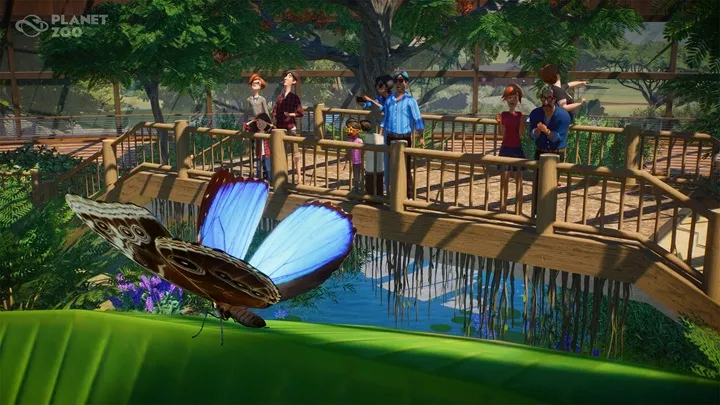
Good habitat design benefits both animals and visitors.
Best practices:
Use natural barriers where possible
Create clear viewing areas
Separate staff access routes
Provide shelter and water
Well-designed habitats increase education ratings.
5. Control Zoo Finances Carefully
Budget management is critical early on.
Financial priorities:
Build only essential facilities first
Monitor running costs
Adjust ticket prices gradually
Use donations effectively
Stable finances support long-term growth.
6. Use Research to Improve Your Zoo
Research unlocks better content.
Focus areas:
New enrichment items
Habitat upgrades
Advanced veterinary treatments
Education improvements
Continuous research strengthens the zoo.
7. Optimize Guest Experience
Happy visitors increase revenue.
Guest-focused strategies:
Provide food and drink stalls
Add rest areas and benches
Maintain clean pathways
Ensure good visibility of animals
Comfortable guests stay longer and spend more.
8. Expand the Zoo Gradually
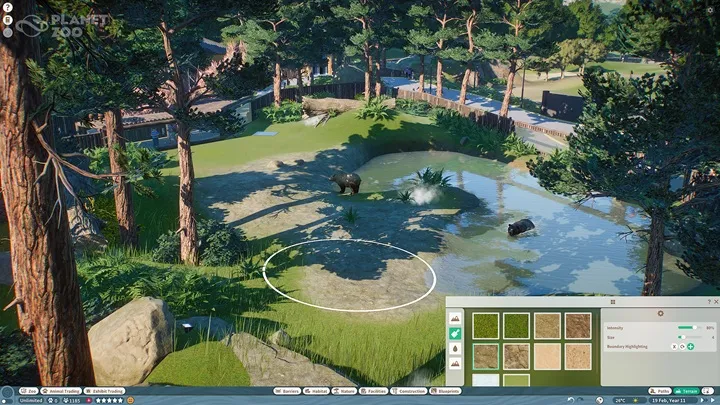
Growth should be controlled.
Expansion tips:
Add habitats one at a time
Ensure staff coverage first
Improve infrastructure before scaling
Monitor guest flow
Careful expansion prevents management overload.
9. Maintain Zoo Cleanliness
Clean environments improve both guest and animal satisfaction.
Maintenance priorities:
Place bins throughout the park
Assign caretakers to zones
Fix broken facilities quickly
Avoid overcrowded paths
Clean parks increase overall ratings.
10. Focus on Education and Conservation
Education improves reputation and income.
Key elements:
Install education boards
Use speakers near habitats
Train staff for animal talks
Improve conservation rating
Strong education systems boost long-term success.
Final Thoughts
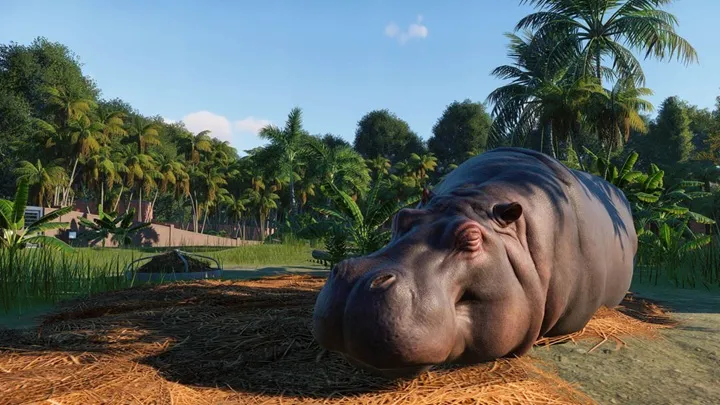
Planet Zoo rewards thoughtful planning, efficient management, and attention to animal welfare. The most successful zoo managers build organized parks, maintain happy animals, and create engaging experiences for visitors.
Grow steadily, manage resources wisely, and design habitats with care.